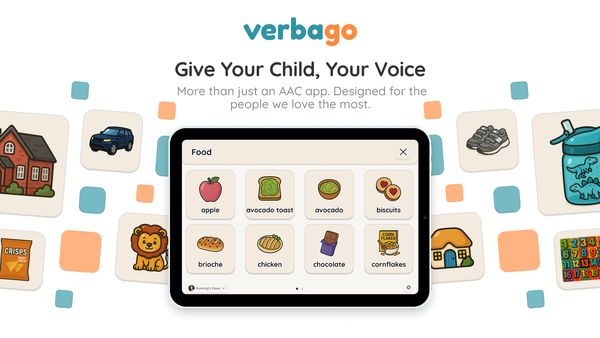
Introducing an AAC Device to Your Child – Our parent’s Guide to Mirroring & Positive Cause and Effect
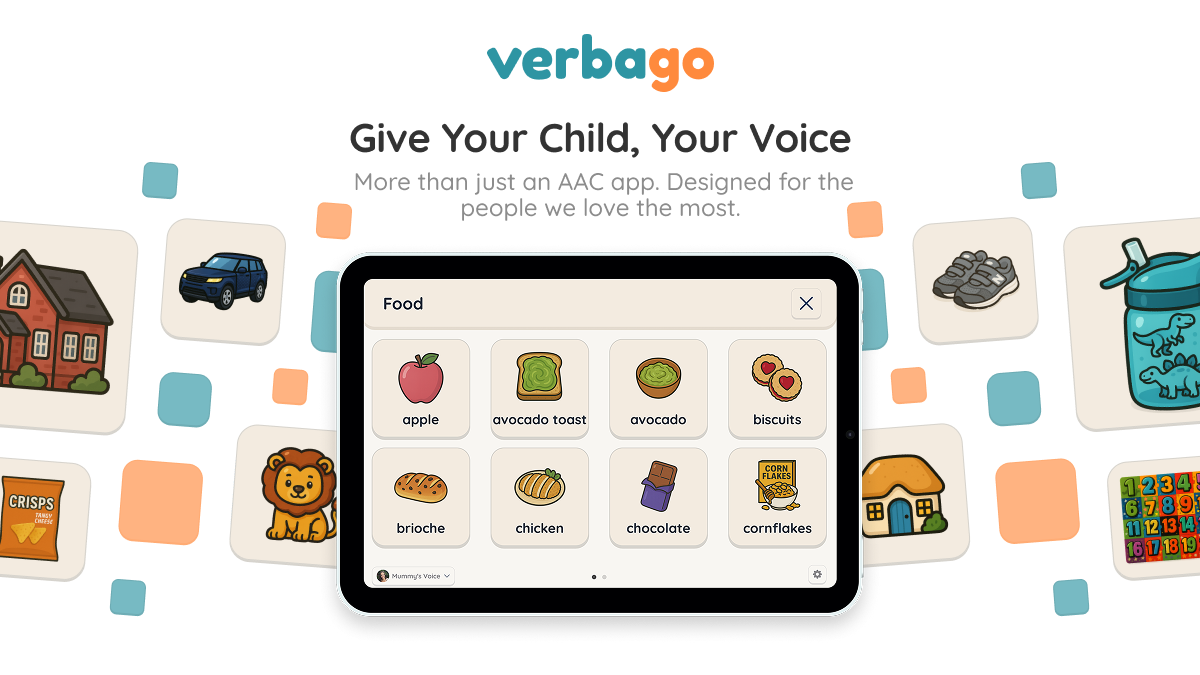
When we took our first step into the world of a communication device for our child, we felt hopeful, and also a little uncertain. Will it feel natural? Will my child use it? Will it support rather than replace speech? Good news: with the right approach, using mirroring (modelling) and creating clear cause-and-effect opportunities, you can set the stage for meaningful, empowering communication. Our AAC device has not only empowered our little boy in his life and us too!
This guide draws on everything we have learnt and research from the guidance available from the Royal College of Speech and Language Therapists (RCSLT) and leading AAC therapy sources; to help you introduce AAC in a positive, intentional way.
Remember, don’t be afraid to seek professional advice and guidance!
1. AAC Is a Communication Support — Not a Last Resort
According to SLT guidance, AAC (augmentative and alternative communication) is not something to wait for until everything else is “ready”. It is a communication intervention, recommended when a child’s speech output doesn’t allow them to fully express themselves.
Important point: There are no strict prerequisites for AAC use (for instance, understanding cause-and-effect or having strong motor skills) before starting. In fact, AAC can teach many of those skills.
So: starting early, in a low-pressure way, is supported by research.
2. Set the Tone: The Device as Your Child’s Voice
From day one, think of the device (or AAC system) as your child’s voice. That means:
- Ensure the device is visible, accessible, switched on, and ready when your child is present.
- Use it yourself, in everyday routines—show your child how you press the icon, how a message comes out, how others respond.
- Consistently treat the device as part of communication, not just a “therapy tool” separate from daily life. This aligns with recommendations in the RCSLT guidance about integrating AAC into the child’s natural communication context.
3. Mirroring / Modelling: Show, Don’t Just Prompt
Mirroring (sometimes called aided language stimulation) is one of the most evidence-based strategies in AAC introduction. Essentially: you use the AAC device yourself, in real time, to show how communication happens.
Here’s how to put it into practice:
- During a favourite activity, press the device yourself and say, “I want … [toy/snack]” or “Look at … [object]”, combining device use with natural speech.
- Do not wait for your child to press it. The modelling is continuous, just as a child learns spoken language by hearing it.
- Keep your language simple and consistent at first: use “I want ball”, “More please”, “Help me”.
- Use the device across various settings: at snack time, play time, outdoors, in the car. The more your child sees it being used in familiar contexts, the more it becomes part of their world.
Modelling the device in everyday life makes communication meaningful and natural, rather than “one more thing to learn”.
4. Cause & Effect: Create Clear Opportunities for Communication
A key principle supported by the research is building cause-and-effect experiences: your child presses (or you show them pressing) a message → something happens. This helps the child quickly understand the power of their voice.
Here are practical strategies:
- Select 1-2 high-interest items (toy, snack, song) that your child is motivated by.
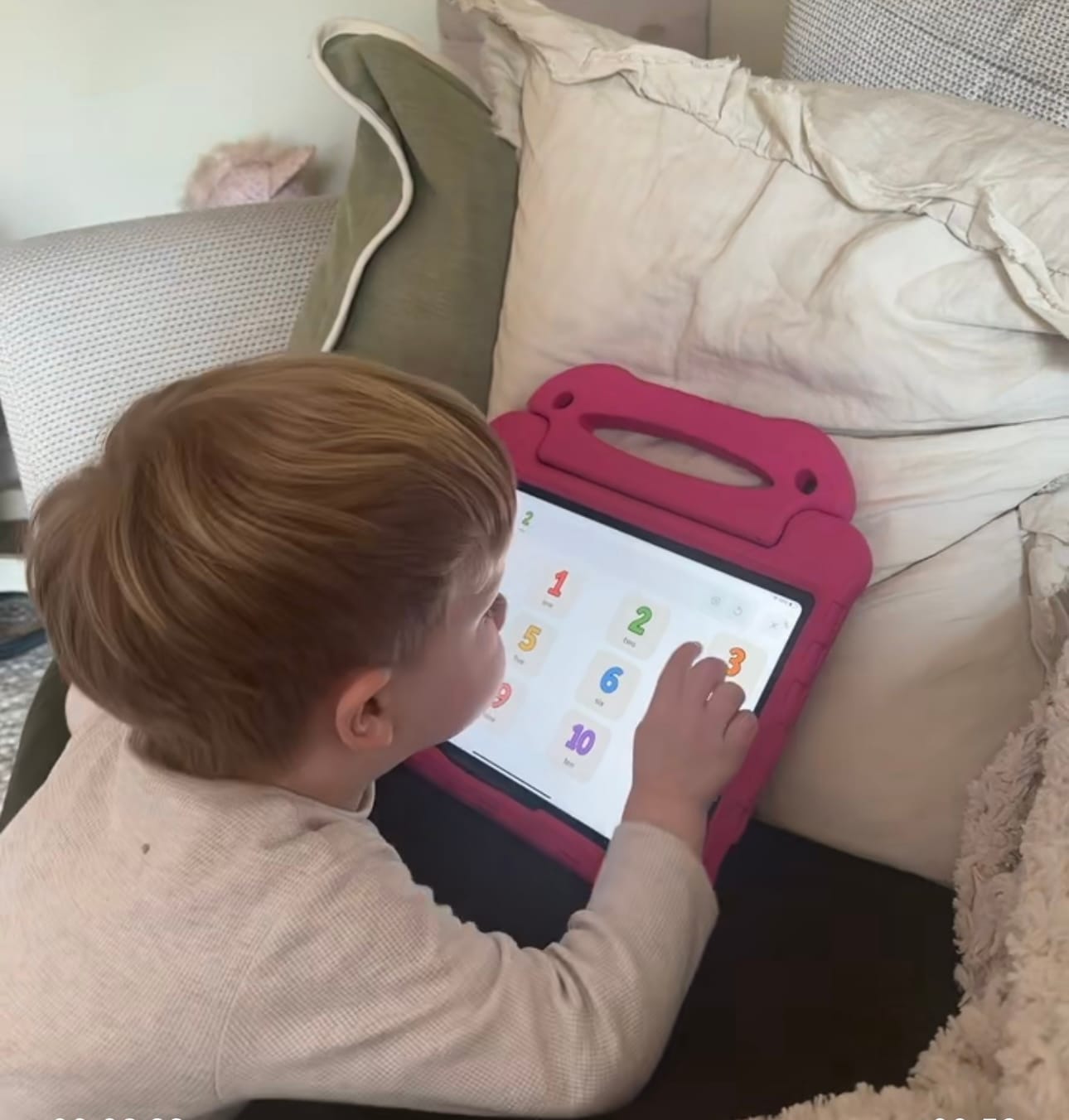
- Model the sequence: you press “I want toy”, you hand the toy. Pause and allow your child the opportunity to press the icon/message themselves (or gesture toward it).
- If your child uses the device (or attempts to), respond immediately and positively (“Great! You asked for the toy, here it is!”).
- Make sure the outcome is meaningful and consistent: pressing the icon reliably leads to the desired outcome (toy, snack, turn in the game).
- Over time, vary the contexts: include spontaneous opportunities, transitions, new items, so the child realises the device works in all settings, not just “therapy time”.
Research underscores that AAC is itself a way to teach cause-and-effect, so we don’t need to wait until a child “understands” it before introducing the device.
5. Keeping it Positive, Low Pressure & Inclusive
A successful introduction is as much about emotion and environment as it is about technique.
- Celebrate any communication attempt (device press, gesture, pointing). Positive acknowledgement builds motivation.
- Avoid over-prompting or pressuring. Rather than “Now you press this guy!”, use “I’m going to press this; show me what you want.”
- Let your child explore the device—especially early on. Random presses are part of learning how it works and what it means.
- Use the device in fun, meaningful, everyday contexts: songs, games, play, routines.
- Ensure everyone around the child (siblings, grandparents, teachers) treat the device as normal communication, model its use, respond to it. The RCSLT guidance emphasises partner training and consistency across settings.
6. Build the Environment: Devices + People + Routines
To make AAC “live” in your child’s world, think beyond just the device:
- Place the device so your child can reach it or it can be accessed easily (consider mounting/tablet stand if needed).
- Keep it charged, on, ready, with vocabulary suitable for your child’s interests and routines.
- Educate and involve all communication partners: the more your child sees the device used and responded to across people, settings and activity types, the more likely they’ll begin to use it themselves.
- Track small wins and data: How many times is the device used today? Which contexts? What vocabulary? This mirrors SLT best-practice for monitoring AAC user progress.
- Collaborate with your child’s speech-language therapist (if you have one) and other professionals to adjust vocabulary, access features, participation opportunities.
7. Monitor, Adapt & Celebrate the Journey
Introducing an AAC device is not a one-off event, it’s a journey. It can take months before you see and independent use. We viewed it as a penny jar; keep filling it with practice, consistency and modelling and soon the jar will be fI’ll and your little one will be able to request what they need with you! Use the following mindset:
- Progress may be gradual and non-linear; that’s absolutely ok.
- Celebrate small steps: e.g., your child observing you use the device, pressing an icon independently, initiating communication.
- Adapt vocabulary and contexts as your child grows: begin with core vocabulary (e.g., “I want”, “more”, “help”), then add vocabulary for comments, social interactions, new routines.
- Revisit the physical setup: Is the device easily reachable? Is the vocabulary appropriate? Is modelling happening across settings?
- Reflect on participation: Is your child using the AAC across settings (home, outdoors, school if relevant)? Research shows that partner training and context-rich use are vital for communication outcomes.
8. Final Thoughts
Introducing an AAC device is a truly meaningful step. With a foundation built on mirroring, cause-and-effect, and rich communication environments, you’re giving your child a voice, a way to connect, and a real path to participation.
Remember: this isn’t about “just giving a device”, it’s about making communication real. Every time the device is used, and the child sees that it leads to a real outcome, you’re reinforcing their voice, identity and intent.
Take it one step, one moment, one meaningful exchange at a time. Over time, those add up into genuine communication, confidence and connection.